No products added!
August 5, 2026
0
A great sculpted look should not make you feel like you are wearing a mask. The goal is simply to bring gentle dimension back to the face after foundation, so your features look naturally defined, lifted, and beautifully you. Learning how to use sculpting powder is less about following a strict face chart and more about noticing where light and shadow already fall on your face.
Sculpting powder can create the appearance of higher cheekbones, a more defined jawline, and a softly contoured nose in just a few light layers. The secret is choosing the right tone, using a light hand, and blending until the finish looks like your own skin – only a little more polished.
What Sculpting Powder Does
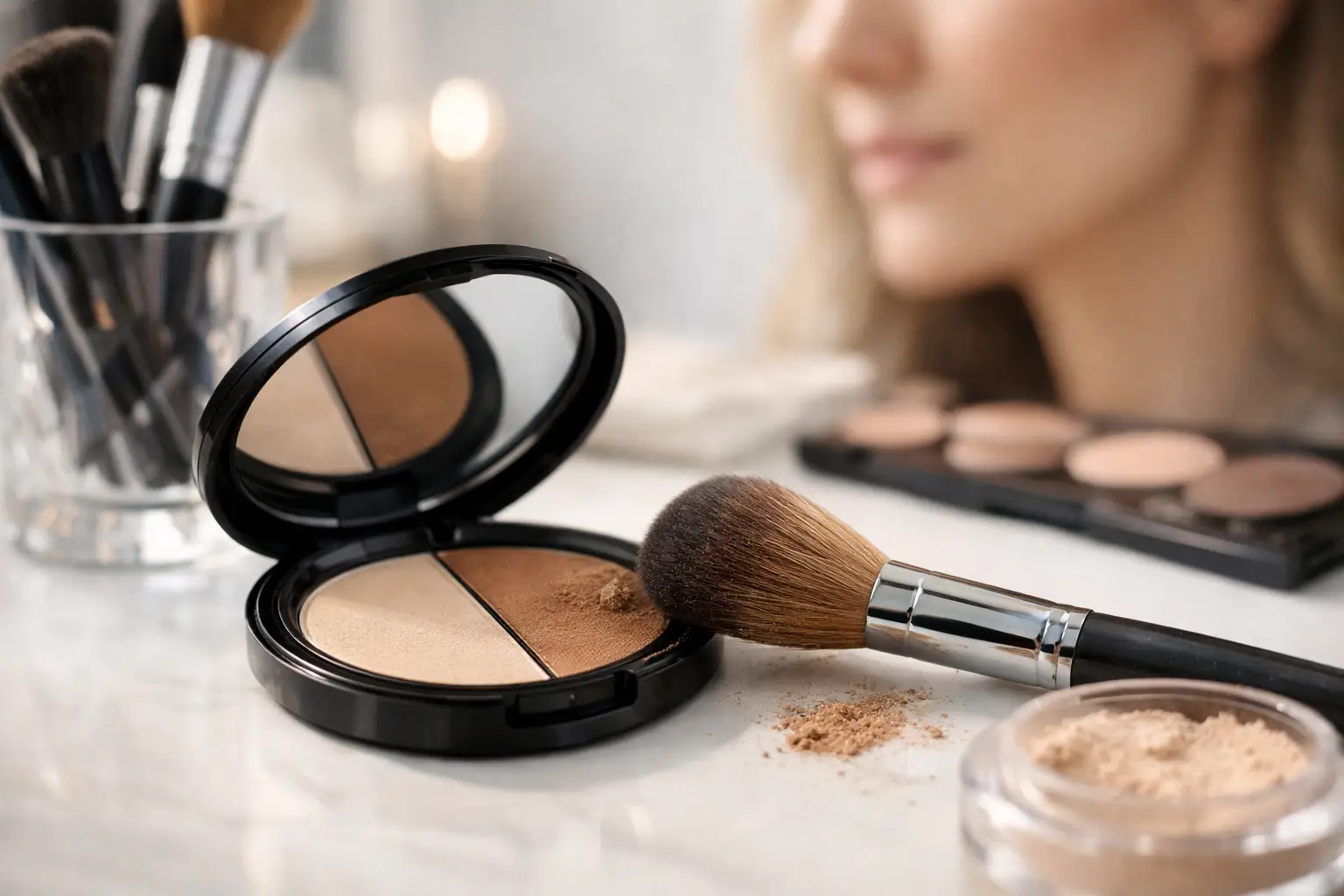
Sculpting powder is a matte or mostly matte face powder designed to add soft shadows. It is often called contour powder, but the word “sculpting” is helpful because it describes the effect: subtle definition that gives your complexion more shape.
Unlike bronzer, which usually adds warmth and a sun-kissed glow, sculpting powder should resemble a natural shadow. For many complexions, that means a neutral or slightly cool-toned brown rather than an orange, red, or golden shade. Bronzer can warm the high points of your face, while sculpting powder sits in the areas you want to gently recede or define.
You do not need to contour every part of your face. A light sweep below the cheekbones may be all you need for an elevated everyday look. If you love a more defined full-glam finish, you can also add it around the forehead, jawline, and nose.
Choose a Shade That Looks Like a Shadow
The best sculpting powder shade depends on your skin tone and undertone. A shade that is around one to two shades deeper than your complexion is usually enough for a soft, believable result. Going too dark can make blending harder and may leave the skin looking muddy instead of smooth.
For fair to light skin, look for soft taupe, beige-brown, or cool neutral shades. Medium complexions often look beautiful with neutral brown, caramel-brown, or balanced tan shades. Deep complexions may prefer rich espresso, deep neutral brown, or cool cocoa tones that show up clearly without looking gray.
Undertone matters, too. If a powder pulls orange on your skin, it may be better suited as bronzer. If it looks overly gray, use less product or try a more neutral option. Your ideal shade should look almost invisible once it is blended, with definition appearing only when the light catches your face.
Start With a Smooth Base
Sculpting powder applies most evenly over a set complexion. Begin with your usual skin care, primer if you use one, and foundation or concealer. Then lightly set the areas where you plan to apply powder, especially if your base is dewy or if you tend to get oily through the day.
A smooth base makes a real difference. Powder can cling to dry patches or catch on areas where cream products have not been blended well. If your skin feels dry, prep with a nourishing moisturizer and avoid over-powdering the entire face. Beautiful makeup starts with skin that feels comfortable and cared for.
For the most natural finish, apply cream products first, set lightly, then add sculpting powder. If you prefer powder foundation, you can apply sculpting powder directly on top with a soft brush.
How to Use Sculpting Powder on Your Cheekbones
Your cheekbones are the easiest place to begin. Instead of sucking in your cheeks and following the deepest hollow all the way to the mouth, place your powder slightly higher. This creates lift rather than a heavy stripe.
Use a small angled cheek brush or a fluffy tapered brush. Pick up a tiny amount of product, tap off the excess, and begin near the top of your ear. Blend forward along the natural hollow beneath your cheekbone, stopping around the outer edge of the iris. Keep the color concentrated toward the hairline and diffuse it as you move inward.
Think of blending upward, not downward. Sweeping the edges toward your temples helps the face look fresh and lifted. If you can see a sharp line from the side of your face, use a clean brush to soften it. The powder should melt into your complexion, not sit on top of it.
Define the Forehead and Jawline Lightly
If you want to create more balance around the face, use what is left on your brush to softly shade the outer perimeter of your forehead. Focus near the hairline and temples. This can add warmth-free dimension, especially after applying a full-coverage foundation that has evened out your natural shadows.
For the jawline, use a light touch just beneath the jaw, blending downward toward the neck. Avoid drawing a dark line directly on the jaw itself. The effect should be a soft shadow that supports your natural structure and keeps the face and neck looking connected.
These steps are optional. A little cheekbone definition can be enough for everyday confidence, while a fuller sculpted look may suit special occasions, photos, or a night out.
Sculpt the Nose With a Small Brush
Nose contour takes patience, and less product almost always looks better. Use a small fluffy eye brush instead of a dense face brush so you can control the placement. Apply a whisper of powder along the sides of the nose, beginning near the inner brow and blending down gently.
Keep the lines soft and close to your natural nose shape. If you make them too wide, dark, or straight, the result can look more obvious than intended. You can add a tiny touch beneath the tip for extra definition, then blend with a clean brush until there are no visible edges.
For a soft brightening effect, apply a small amount of concealer or a subtle highlight down the center of the nose after contouring. Avoid intense shimmer if you want the sculpted effect to remain natural.
Blend, Check, Then Build Slowly
The difference between polished sculpting and a patchy finish is usually blending. After applying each section, take a clean fluffy brush and buff around the edges in small, light motions. Do not keep adding powder until you have checked your look in natural light.
A bathroom mirror can be misleading, especially under warm lighting. Step near a window or check your face in a different mirror before adding another layer. What looks barely there indoors may appear much stronger in daylight.
If you apply too much, do not panic. Press a little of your foundation powder over the area, or use a clean brush to diffuse the color. You can also soften a strong contour with blush placed just above it. The combination of a gentle shadow, a healthy blush, and a touch of glow on the high points creates a fresh, dimensional finish.
Common Sculpting Powder Mistakes to Avoid
Using too much product at once is the most common mistake. It is always easier to build than to erase. Start with a nearly clean brush, especially when trying a new shade or formula.
Another issue is applying powder too low on the cheeks. A low contour can pull the face downward. Keep your placement closer to the cheekbone and blend up toward the temple for a more lifted appearance.
Finally, do not feel pressured to copy someone else’s contour map. Face shapes, bone structure, and personal style are beautifully different. A round face may enjoy softly defining the cheeks and jaw, while a longer face may prefer keeping forehead contour minimal. Let your features lead the placement.
Make Sculpting Powder Part of Your Everyday Glow
Sculpting powder works beautifully when it supports your routine instead of turning makeup into a complicated project. On simple days, use one soft sweep beneath the cheekbones, add blush, and finish with your favorite lip color. For a more elevated look, build gentle definition around the face and pair it with a smooth matte foundation or radiant complexion base.
The finish also depends on your personal beauty mood. Keep it sheer for a soft, clean look, or add gradual layers for more camera-ready definition. Neither approach is more “correct.” The most flattering result is the one that helps you feel comfortable, confident, and ready to show up as yourself.
Take your time, use a light hand, and let your natural features set the direction. A little sculpting powder can be the finishing touch that makes your everyday glow feel beautifully complete.