
No products added!
September 16, 2026
0
A foundation that turns patchy by lunchtime, concealer that clings to dry spots, or redness that keeps peeking through can make getting ready feel more complicated than it needs to be. The best uneven skin makeup is not about covering every bit of natural skin. It is about creating a smoother, brighter-looking canvas while keeping your finish fresh, comfortable, and true to you.
A beautiful makeup look starts before the first drop of foundation. When your skin has texture, dark spots, redness, or areas that are drier or oilier than others, the goal is thoughtful layering. A few small adjustments can give you polished, even-looking coverage without the heavy, mask-like feeling.
Start Uneven Skin Makeup With Skin Prep
Makeup can only sit as smoothly as the skin beneath it allows. This does not mean your skin needs to be perfect. Real skin has pores, natural tone variation, and texture. Consistent prep simply helps makeup move across the face more evenly instead of catching on rough, dry, or flaky areas.
Begin with a gentle cleanse that leaves your face feeling comfortable, not tight. Follow with a hydrating serum or lightweight moisturizer, giving special attention to areas that tend to look dull or feel dry. If your complexion is oily in the T-zone but dry around the cheeks, use a lighter layer through the center of the face and a richer touch where you need extra softness.
Daytime sunscreen belongs in the routine, too. Sun protection supports a more even-looking complexion over time and gives your skin the daily care it deserves. Let each skincare layer settle for a few minutes before applying makeup. Rushing can cause products to pill, which creates the tiny rolls and uneven texture no foundation can hide.
A primer can be helpful, but it depends on what your skin needs that day. A hydrating primer can bring comfort to dry areas, while a blurring or shine-controlling primer may help around the nose, forehead, and chin. You do not have to prime every inch of your face with the same formula. Try applying it only where it solves a specific concern.
Choose Coverage for Your Skin, Not the Trend
Full coverage is not always the answer to uneven tone. On dry or textured skin, too much product can emphasize the very areas you want to soften. A medium-coverage foundation with a flexible, skin-like finish is often the sweet spot. It evens out the overall complexion while leaving room to build coverage only where it is needed.
First, choose the right shade and undertone. A foundation that is too warm, too cool, too light, or too deep can make unevenness look more obvious. Test shades along the jawline and look at them in natural light when possible. The right match should blend into your face and neck without leaving a noticeable line.
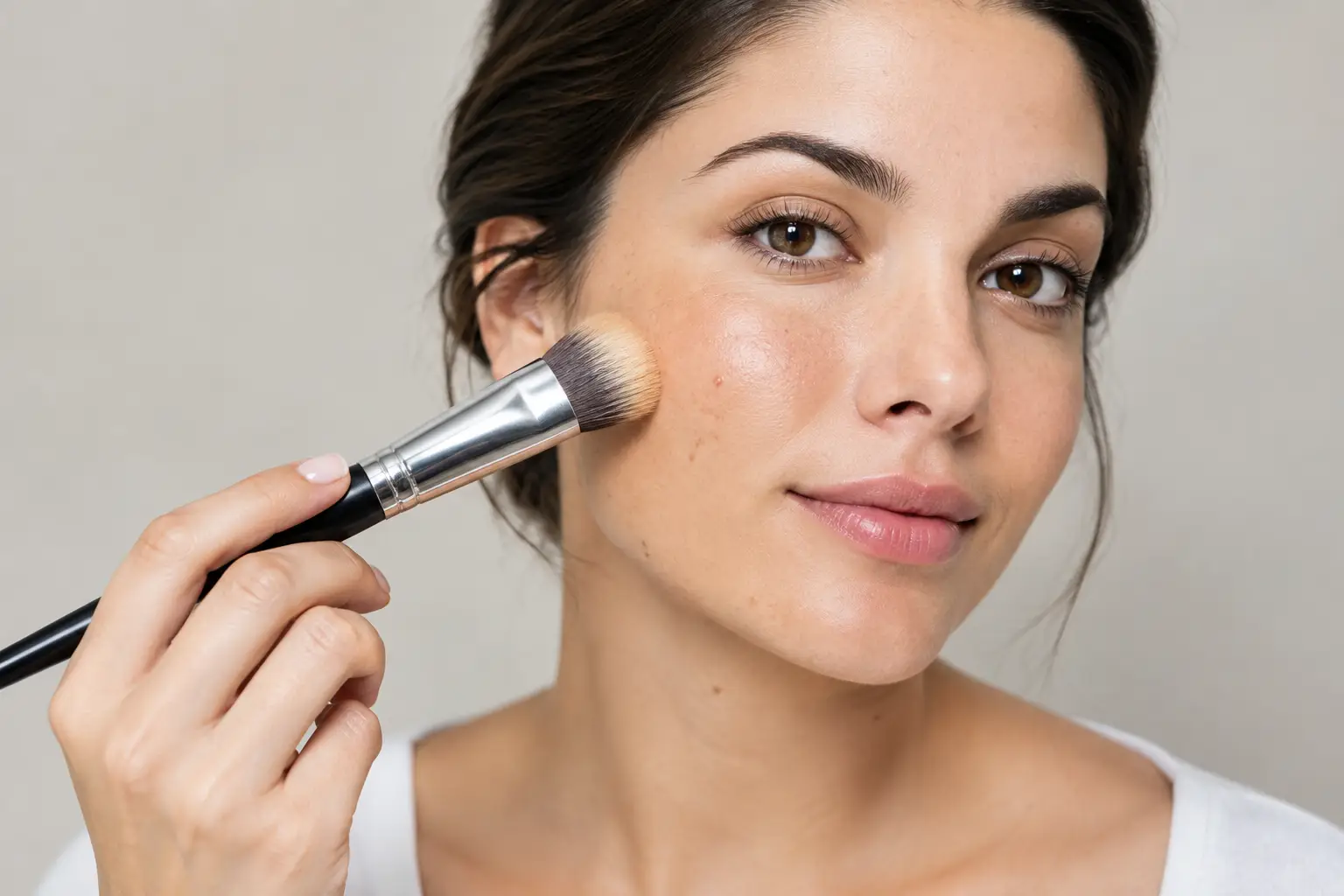
Apply foundation in thin layers, starting at the center of the face where redness and discoloration often show most. Blend outward with a damp makeup sponge, brush, or clean fingertips. A sponge creates a softer, pressed-in finish, while a brush can give more coverage. There is no single best tool. The one that gives you an even, comfortable result is the right one for your routine.
If your foundation starts looking heavy, do not add more immediately. Press a damp sponge over the area first. This can lift excess product and melt the layers together before you decide whether additional coverage is truly needed.
Correct First, Conceal Second
For dark circles, lingering blemish marks, and deeper discoloration, color correction can reduce the amount of concealer you need. Peach or orange-toned correctors can help balance blue, purple, or brown-looking shadows, depending on your skin tone. Green corrector can soften visible redness around the nose, cheeks, or blemishes.
Use the smallest amount possible. Corrector is meant to neutralize, not create a new layer of visible color. Gently tap it onto the specific area, then apply a skin-matching concealer or foundation on top. This targeted approach keeps uneven skin makeup light and believable.
For blemishes and dark spots, choose a concealer that closely matches your foundation rather than a bright under-eye shade. Apply it with a tiny brush or fingertip, let it sit for a moment, and tap around the edges. Keeping the center of the spot covered while softly blending the border helps it disappear into the rest of your complexion.
Set Only Where You Need It
Powder is useful, but too much can flatten glow and make dry texture look more noticeable. Instead of dusting powder across the entire face, press a small amount into areas that crease or become shiny first, such as the under-eyes, sides of the nose, forehead, and chin.
A finely milled loose or pressed powder can help makeup stay in place while still allowing your natural radiance to show. If your cheeks are dry, skip powder there or use only the lightest touch. You can always add more later, but removing a heavy powder layer is harder once the rest of your makeup is complete.
A setting spray can bring powder, foundation, and concealer together for a more natural finish. Hold it at a comfortable distance and mist lightly. Once it settles, press a clean sponge over any area that looks too matte or textured. This simple step can make the entire look feel more like skin.
Bring Back Warmth and Dimension
An even base should not mean a flat base. Soft blush, bronzer, and highlight help restore the warmth and dimension that foundation can soften. Cream formulas often blend beautifully over skin-like bases, especially when your complexion leans dry. Powder formulas can be a great choice for oilier skin or anyone who prefers a longer-wearing finish.
Apply blush higher on the cheeks for a lifted, fresh look. Add bronzer where the sun naturally warms the face, such as the outer forehead, temples, and high points of the cheeks. A subtle luminous product on the cheekbones can add glow, but skip obvious sparkle over areas with texture if you prefer a smoother-looking finish.
The most flattering makeup is personal. Some days you may want soft, sheer coverage and visible freckles. Other days, a fuller matte foundation can help you feel ready for an event, photos, or a long day. Both are valid. Your routine should support the version of confidence you want to bring forward.
Small Habits That Help Makeup Wear Better
The condition of your tools matters more than many people realize. Makeup brushes and sponges collect leftover product, oil, and skincare, which can make fresh foundation apply unevenly. Clean them regularly and allow them to dry fully before your next application.
It also helps to avoid mixing too many new products at once. If your foundation suddenly separates, try simplifying your base routine for a few days. A water-based foundation layered over a very rich oil-based product may not wear as smoothly for some people. Give your products time to settle, and pay attention to which pairings leave your skin looking its best.
For days when unevenness feels more visible, keep the rest of the routine soft and intentional. Groomed brows, a flattering lip color, and a touch of blush can shift the focus from perfect coverage to an elevated, complete look. At Beaute Esssentials, beauty is about creating a routine that feels good from your skincare prep to your final glow.
Your skin does not need to be erased to look beautiful. Build coverage where you want it, let softness and radiance come through where you can, and give yourself permission to adjust the routine with your skin’s changing needs. That is how makeup becomes less about hiding and more about feeling like your best self.