
No products added!
September 8, 2026
0
A fitted dress can look incredible in the mirror, then suddenly feel less exciting when your waistline, comfort, and movement are competing for attention. That is where the waist trainer versus shapewear question comes in. Both can create a smoother, more defined look under clothing, but they are made for different moments, different levels of compression, and different comfort preferences.
The right choice is not about changing your body to fit a trend. It is about choosing the support that helps you feel polished, comfortable, and confident in what you already love to wear.
Waist Trainer Versus Shapewear: The Main Difference
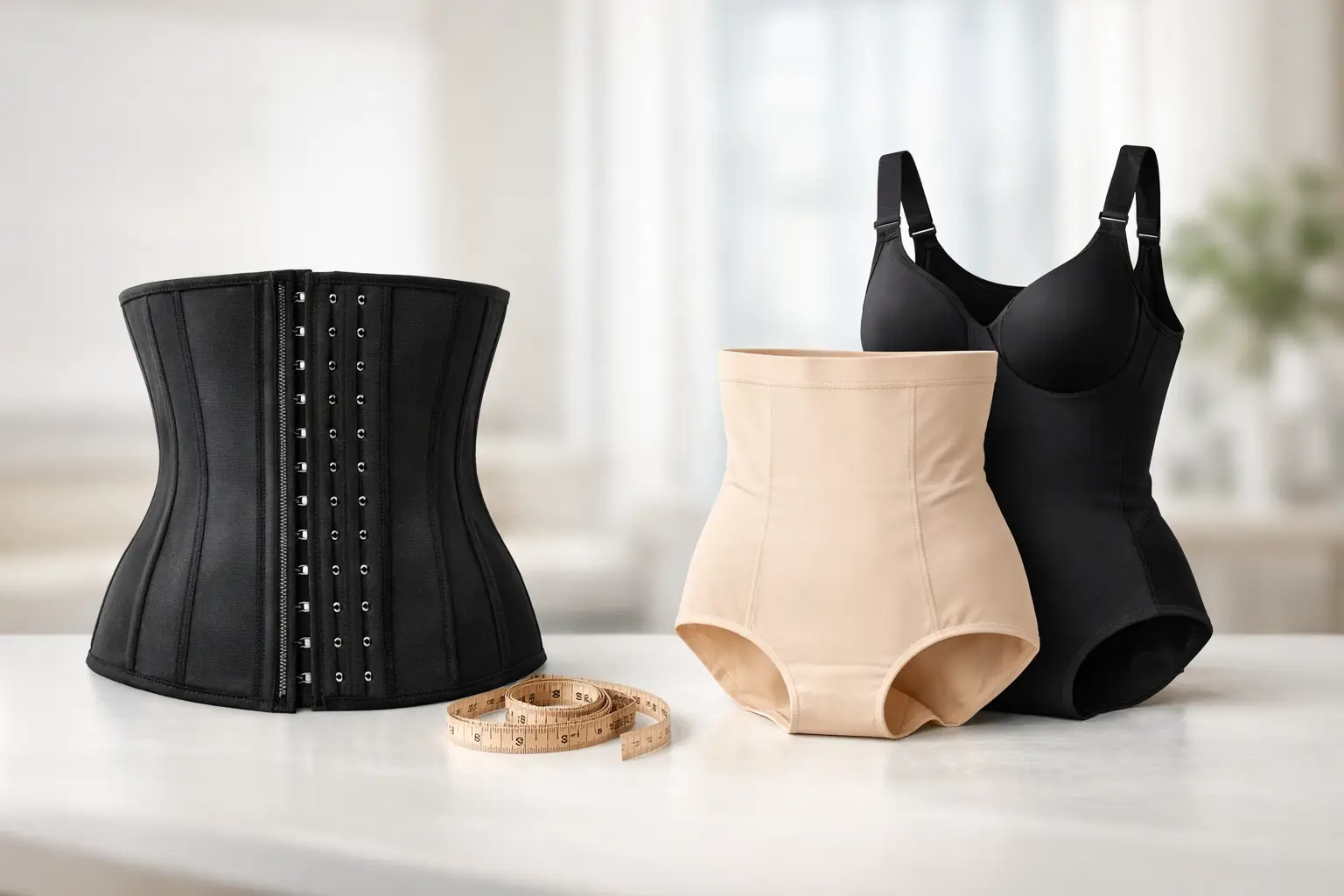
A waist trainer is designed to focus compression around the midsection. It is usually structured with features such as hook-and-eye closures, boning, a wide waistband, or firm latex-style fabric. Its goal is a more visibly cinched waist while you are wearing it. Many styles are worn during a workout, for a special outfit, or for limited periods when you want a dramatic hourglass effect.
Shapewear is typically more flexible and made to smooth, support, and lightly sculpt. It may target the tummy, waist, hips, thighs, back, bust, or all of the above. Think bodysuits, high-waisted shorts, briefs, slips, and shaping leggings. Rather than concentrating on one area, shapewear often creates a more blended silhouette beneath dresses, jeans, workwear, and occasion looks.
Neither option permanently changes your waist or replaces movement, nourishing meals, hydration, or medical care. The visible result is temporary and comes from compression. Still, a well-chosen piece can make a real difference in how an outfit lays and how confidently you carry yourself.
Choose a Waist Trainer for a Defined Waist Moment
A waist trainer can be a beautiful choice when your priority is strong midsection compression. If you love a noticeably sculpted waist under a body-hugging dress, a fitted top, or a special-event look, its firmer structure may give you the definition you want.
Some people also enjoy waist trainers during certain workouts because the snug fit can create a supported feeling around the core. That said, feeling supported is different from building core strength. A trainer does not tone muscles or burn belly fat on its own, and it should never make it hard to breathe, bend, or complete a movement safely.
Fit matters more than the number on the label. A trainer that is too small can pinch, roll, create uncomfortable pressure, and leave you counting the minutes until you can take it off. Start with the brand’s measurements, not your usual clothing size alone. If you are between sizes, choosing the roomier option is often the more comfortable decision.
What a Waist Trainer Does Best
A waist trainer is often best for short, intentional wear when you want the waist to be the focus. It can work especially well with structured occasionwear, a night-out outfit, or a look that already has a defined silhouette.
It may be less ideal for long travel days, desk-heavy workdays, meals out, or anything that requires lots of bending and free movement. The stronger the compression, the more thoughtful you need to be about wear time and comfort.
Choose Shapewear for Smoothing and Everyday Flexibility
Shapewear is usually the easier answer when you want to look smooth without feeling tightly cinched. A high-waisted shaping short can soften the line beneath a dress. A bodysuit can create a clean base under trousers and a blouse. A shaping brief can offer light tummy support under everyday denim without changing the way you move through your day.
The best shapewear disappears into your routine. You should be able to sit comfortably, breathe naturally, walk with ease, and feel like yourself. It may still feel snug, especially at first, but it should not hurt, dig deeply into your ribs or thighs, or leave numbness and tingling.
For many wardrobes, shapewear is the more versatile investment because it comes in different compression levels. Light support is lovely for casual outfits and warm days. Medium support can smooth your favorite dress or jumpsuit. Firm support is a strong choice for more fitted occasion looks, as long as the garment still feels wearable.
Match the Style to Your Outfit
A quick outfit check can save you from a frustrating fitting-room moment. Under a short dress, a high-waisted shaping brief may be enough. Under a longer, fitted dress, smoothing shorts can help prevent thigh rub while creating an even line. For open-back or low-cut looks, choose a style designed for that neckline instead of forcing a standard bodysuit to work.
Color also matters. Nude shades close to your skin tone are often the most discreet under light fabrics, while black may be perfect beneath darker clothing. If your outfit is thin, skip thick seams, bulky closures, and styles that end exactly where the garment is tightest.
Compression Should Feel Supportive, Not Punishing
More compression is not automatically better. The most flattering option is the one you can wear comfortably enough to stand tall, relax your shoulders, and enjoy your plans. If a garment rolls at the waist, it may be too small, too long for your torso, or simply the wrong cut for your shape.
Give yourself a few minutes to test the fit at home before committing to an event look. Sit down. Reach overhead. Walk up stairs. Take a full breath. Notice whether the fabric stays in place and whether the edges show through your clothing. This small try-on ritual can help you find a piece that delivers smoothness without stealing your comfort.
Avoid sleeping in a waist trainer or very firm shapewear unless the product specifically says it is made for that purpose and a qualified health professional has advised you. Take it off if you experience pain, shortness of breath, numbness, reflux, skin irritation, or dizziness. If you are pregnant, recovering from surgery, managing a circulation or digestive condition, or have concerns about compression garments, ask your healthcare provider what is appropriate for you.
How to Build Your Best Body-Confidence Wardrobe
You do not need one garment that does everything. A small rotation gives you more freedom to dress for the life you actually live. Consider a comfortable, light-support piece for daily outfits; a medium-control style for dresses and polished looks; and a waist trainer for those times you want a more defined, statement-making shape.
Fabric is part of the experience, too. Breathable, soft-touch materials can make shaping layers feel much better against the skin. If you have sensitive skin, look for quality construction and wash your garments as directed to keep them fresh, supportive, and gentle for repeat wear. Clean, comfortable layers pair beautifully with the rest of your self-care routine, from body care that leaves skin soft to a fragrance that makes getting dressed feel special.
There is also no rule that says you have to wear compression at all. Some days call for sleek shaping, and other days call for soft loungewear and complete ease. Confidence has room for both.
Which One Is Right for You?
Choose a waist trainer when you want concentrated waist definition and are comfortable wearing a firmer, more structured piece for a shorter period. Choose shapewear when you want versatile smoothing, flexible movement, and support across more than one area.
If you are new to body-contouring pieces, start with light or medium shapewear. It is often easier to learn what level of support feels good on your body before trying a more structured waist trainer. Once you know your preferred fit, you can choose pieces that complement your favorite silhouettes instead of fighting them.
Your everyday glow is not measured by how small your waist looks. Pick the layer that lets you enjoy the outfit, move with ease, and step out feeling beautifully like yourself.