
No products added!
August 25, 2026
0
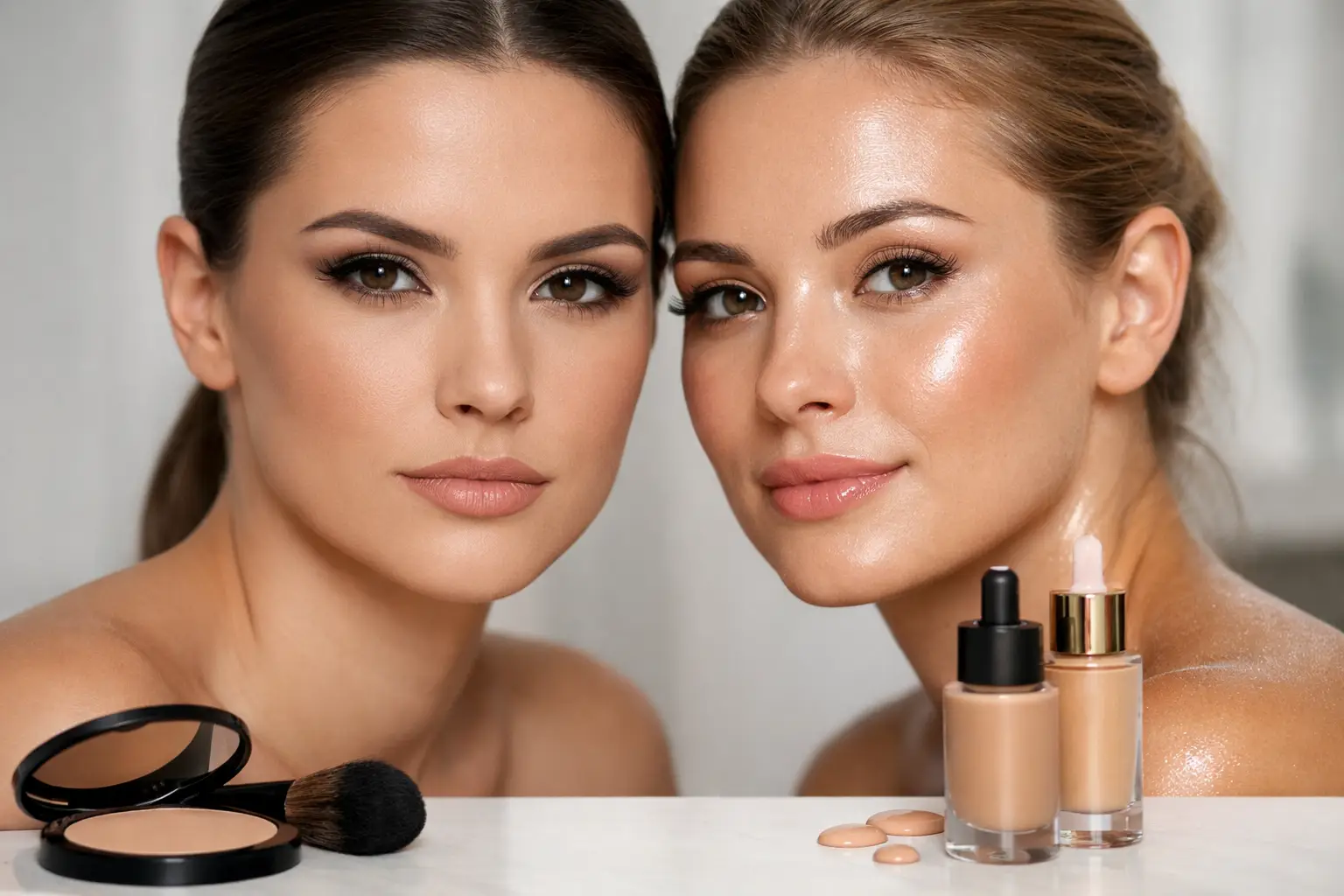
The right foundation finish can make the same shade look completely different on your skin. When choosing matte versus dewy foundation, the question is not which one is better – it is which one helps you feel most confident, comfortable, and like yourself. A soft matte can create a smooth, polished look that stays put, while a dewy finish brings fresh-looking radiance and a naturally luminous effect.
Your skin type matters, but so do your plans, your climate, and the kind of makeup moment you want. Some days call for shine control and full glam. Others call for light coverage, visible skin, and a healthy glow that looks like you woke up refreshed.
Matte Versus Dewy Foundation: The Real Difference
Matte foundation is made to reduce the appearance of shine. It usually dries down to a velvety, powder-soft finish and can help the complexion look more even, blurred, and refined. Many matte formulas offer medium to full coverage, which makes them a favorite for special events, photos, long days, and anyone who prefers a more perfected base.
Dewy foundation reflects light rather than absorbing it. It gives skin a hydrated, radiant finish that can make the complexion appear plumper and more alive. Coverage ranges from sheer to full, but even higher-coverage dewy formulas tend to maintain a skin-like glow instead of looking flat.
Neither finish has to look heavy. The best result comes from matching your formula and application to your skin’s needs. A matte foundation can still look fresh, and a dewy foundation can still look polished. It is all about balance.
When Matte Foundation Is Your Best Match
A matte finish can be especially helpful if your skin gets shiny through the forehead, nose, or chin. It can also be a beautiful choice when you want makeup that looks consistent from morning plans to evening photos. The finish gives your complexion a smooth canvas for sculpting powder, blush, bronzer, and a bold lip.
If you have oily or combination skin, matte foundation may help you feel less concerned about midday shine. Look for formulas that offer comfortable wear instead of an overly dry feel. Skin can produce oil and still need hydration, so a lightweight moisturizer underneath is not optional just because you choose a matte base.
Matte foundation is also a smart choice for warm weather, celebrations, and moments when you want more coverage. It can help soften the look of uneven tone, blemishes, and redness without asking you to keep checking your makeup in the mirror.
That said, a very flat matte formula may emphasize dry patches if your skin is dehydrated or flaky. Good skin prep makes all the difference. Start with gentle exfoliation when needed, follow with a nourishing moisturizer, and allow your skincare to settle before applying foundation.
How to Keep Matte Makeup Looking Soft
The goal is velvet, not mask-like. Use thin layers and build only where you need more coverage, such as around the nose, chin, or areas of uneven tone. Press foundation into the skin with a damp sponge for a softer effect, or use a brush for more coverage and then lightly press with a sponge to remove excess product.
Set only the areas that tend to get oily. Applying powder everywhere can take away dimension and leave the complexion looking dry. A touch of cream blush or a subtle highlighter on the high points of the face can bring life back to a matte base without creating unwanted shine.
When Dewy Foundation Is Your Best Match
Dewy foundation is made for anyone who loves a healthy-looking, luminous complexion. It works beautifully for normal, dry, and mature skin, especially when the skin can look dull or feel tight. A radiant base can make the face appear smoother and more refreshed because light catches the high points of the complexion.
This finish is lovely for everyday makeup, brunch, date nights, and minimal makeup looks. It pairs naturally with brightening skincare and cream products, creating that soft, glowing effect that feels effortless but still put together.
If your skin is dry, dewy foundation can be more forgiving than a traditional matte formula. It is less likely to cling to fine lines or dry areas when applied over a well-moisturized base. Choose a formula with coverage that suits your comfort level. Sheer coverage lets freckles and natural texture show through, while medium coverage can even out the complexion while keeping the glow.
Dewy does not mean greasy. If you have combination or oily skin, you can still wear a radiant finish. Focus the glow on the cheeks and outer areas of the face, then use a small amount of translucent powder through the T-zone. This keeps the look fresh instead of overly shiny.
How to Make Dewy Makeup Last
Great glow begins before foundation. Apply a moisturizer that leaves skin comfortable rather than slick, then give it a few minutes to absorb. If you tend to get oily, use a lightweight primer only where you need more wear time.
Apply dewy foundation in light layers, concentrating coverage at the center of the face and blending outward. Cream blush, liquid bronzer, and a soft setting spray can help maintain a radiant finish. If you need powder, press it gently into areas that crease or become shiny instead of sweeping it across the whole face.
Choose by Skin Mood, Not Just Skin Type
Your skin type is a helpful guide, but it should not make the decision for you. Skin changes with the seasons, hormones, travel, stress, and the products in your routine. Someone with oily skin may want a dewy foundation in winter. Someone with dry skin may prefer a comfortable matte finish for an event where they want more coverage.
Think about your skin’s mood on the day you are getting ready. Does it feel dry, textured, shiny, calm, or balanced? Then think about the finish you want in photos and in real life. Matte makeup tends to look more polished and blurred, while dewy makeup tends to look more youthful, radiant, and naturally fresh.
There is also a beautiful middle ground: soft matte. These formulas reduce excess shine without removing all dimension from the face. They are often a great option for combination skin or for anyone who wants foundation that feels polished but never too flat.
Your Foundation Prep Changes Everything
A beautiful base starts with skin that feels cared for. Cleanse gently, moisturize according to your skin’s needs, and use sunscreen as part of your daytime routine. If dullness or rough texture is affecting how makeup sits, consistent exfoliating body and skincare rituals can help support a smoother-looking complexion over time. Avoid over-exfoliating right before a big makeup day, though, since irritated skin can make any foundation harder to apply evenly.
For matte foundation, choose hydration that absorbs fully and does not leave a slippery surface. For dewy foundation, use a moisturizer that supports comfort and gives skin a subtle, healthy-looking sheen. Let each layer settle before applying the next one.
Shade matching matters just as much as finish. Test foundation along the jawline, check it in natural light, and give it a few minutes to settle before deciding. A perfect finish cannot make up for a shade that is too warm, too cool, or too light for your skin.
Build a Makeup Wardrobe, Not a Single Rule
You do not have to commit to one finish forever. Keeping both matte and dewy options in your routine gives you more freedom to create new elevated looks based on your mood. You can even mix a small amount of radiant foundation into a matte formula for a custom satin finish.
Try a matte base when you want long-wearing confidence and a smooth, camera-ready complexion. Reach for dewy foundation when you want your natural radiance to take center stage. At Beaute Esssentials, beauty is never about fitting one look – it is about choosing the products that help you show up feeling beautiful, soft, and fully yourself.
Let your foundation be part of your everyday self-care ritual: a few quiet minutes to care for your skin, choose your finish, and step out with the kind of glow that feels entirely your own.